

Charity film and photography can carry a different kind of responsibility. In the case of DASH Ceredigion, the work was less about promotion and more about making sure important work and the right people are seen, understood, and valued.

About DASH Ceredigion
DASH Ceredigion is a Welsh charity that has been doing extraordinary work since the late 1970s, initially as a toy library. Created by parents, for parents, it exists to support families of disabled children across Ceredigion – one of the most rural and geographically spread counties in Wales.
Their programmes range from playschemes for children aged four to eleven, through to activity days, a mobile youth club called Frendz, and overnight Away Weekends at a specially adapted bungalow near Aberystwyth. They also run Ymuno, a scheme that funds additional support workers so disabled children can access mainstream holiday clubs alongside their peers.
At the core of everything DASH does is a simple but crucial idea that disabled children and young people deserve the same access to community, friendship, and joyful experiences as everyone else; and that their families also deserve proper, dependable respite too.
The Brief
DASH needed visual content that could support their communications and fundraising, those that reflect their work and the people at the heart of it. The objective was to produce material that could stand up on a screen, in a grant application, or in front of a room of potential supporters. All of these goals called for a short film, supported by a set of photographs. Both needed to work independently and together, with each piece capable of communicating the organisation’s value on its own terms.
The Approach: Authenticity Over Production
The starting point was a deliberate choice not to over-produce. Heavily charity films often end up feeling like charity films – staged, slightly performative, and ultimately less convincing than the reality they are trying to represent. The decision then was to pull back, give people space, and let the truth of what DASH does and offers carry the weight.
The film was built around interviews with parents and supporters, real voices speaking from their experiences. There are no scripts, no rehearsed lines, only people talking about what DASH means to their families, and what it would look like without it. The Welsh-language testimonies subtitled throughout further gave the film an authentic sense of place and community that no amount of production design could manufacture.
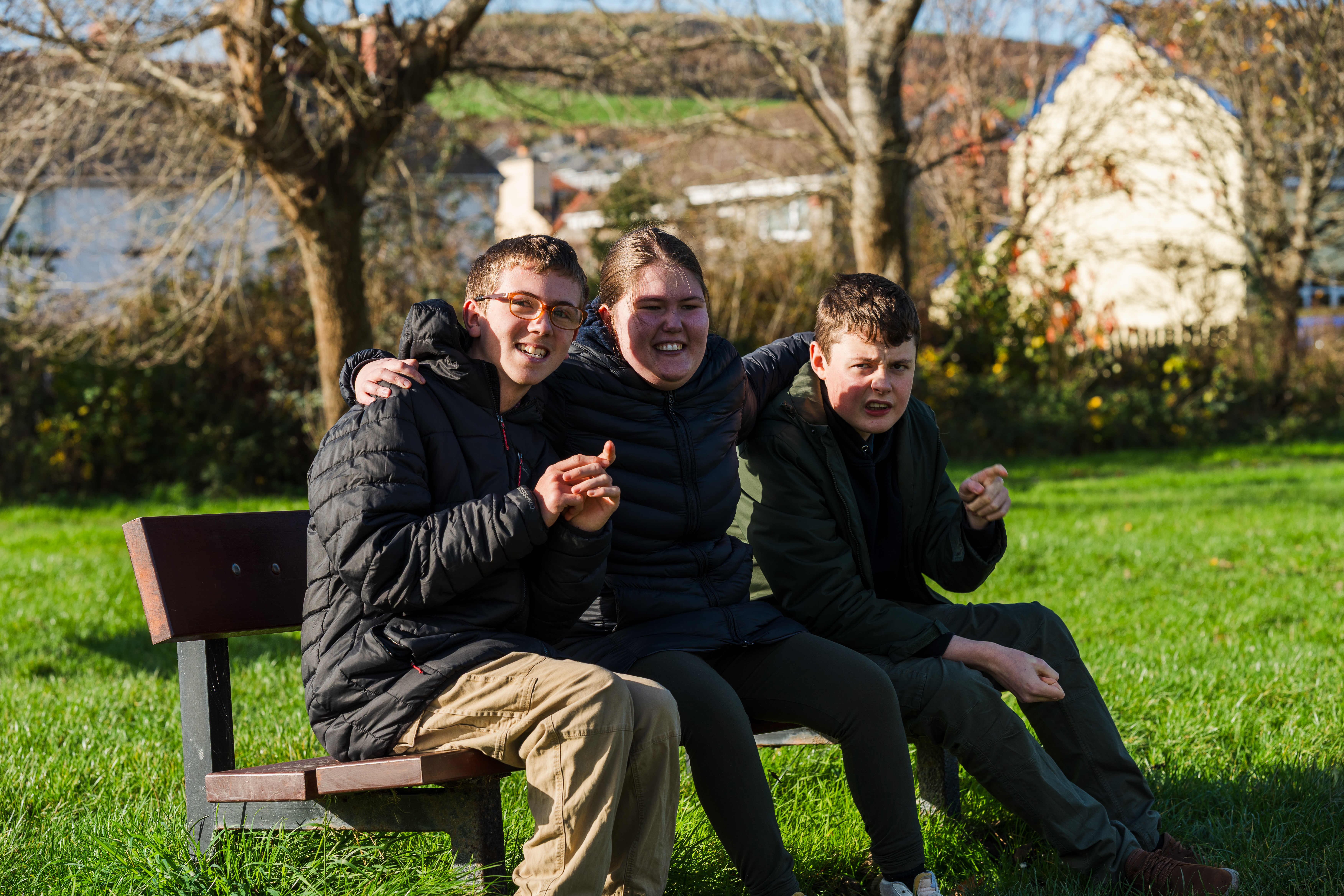
Alongside the interviews, the camera shifted its focus to the smaller, quieter details: a young boy in ear defenders, fully absorbed in play; a group of teenagers and a parent laughing around a board game; a staff member in a DASH hoodie, fully present with the children in her care. These are often the moments that go unnoticed, but well capable of communicating something a mission statement never quite can.
The footage of the Ceredigion coastline was intentional in giving the film a sense of geography and scale, serving as a reminder that this charity is operating across a vast, often isolated rural landscape, reaching families who might otherwise have very little.
The Photography
The photography was approached with the same discipline as the film. The aim was to build a bank of images that felt lived-in – pictures that could work across social media, printed materials, and grant applications without looking mismatched or out of place, all of which required patience.
The strongest images came from giving people time to forget the camera was there, allowing genuine interactions to unfold rather than directing them. The playscheme environment, the DASH branded spaces, and the natural light throughout all contributed to a consistent visual tone that should hold up well across different formats and contexts.
Why It Matters
Charities live and die by their ability to communicate impact. A report full of statistics can tell funders how many children were supported across how many sessions. However, it often fails to convey the relief felt by the people involved. More particularly, what it cannot do is to make someone understand what it feels like to be a parent who finally gets a break, or a teenager who, for one afternoon, just gets to be a teenager.
This is what film and photography, at their best, can do when they are handled well. They translated lived experience into something capable of being felt and perceived by another person, regardless of the distance. For DASH Ceredigion, having a set of visual assets reflective of the quality of their work gives them a more powerful tool for fundraising, awareness, and above all, advocacy – one that will continue to work for them long after the shoot is over.
Working on Projects That Matter
Charity and third-sector work is some of the most creatively rewarding there is. The stories are real, so are the stakes, and when the work lands the way it should, the value to the organisation is significant.
If you are working with a charity, not-for-profit, or community organisation and are looking to create a charity film and photography that can deliver, communicate, and carry a lasting impact, get in touch to talk through the brief.
Find out more about DASH Ceredigion: https://dashceredigion.org.uk/